Next story
New York judge declines to halt Kalshi while gambling case proceeds
Justice Melissa Crane rejected the attorney general's temporary restraining order request, but the licensing fight continues with hearings set for January.
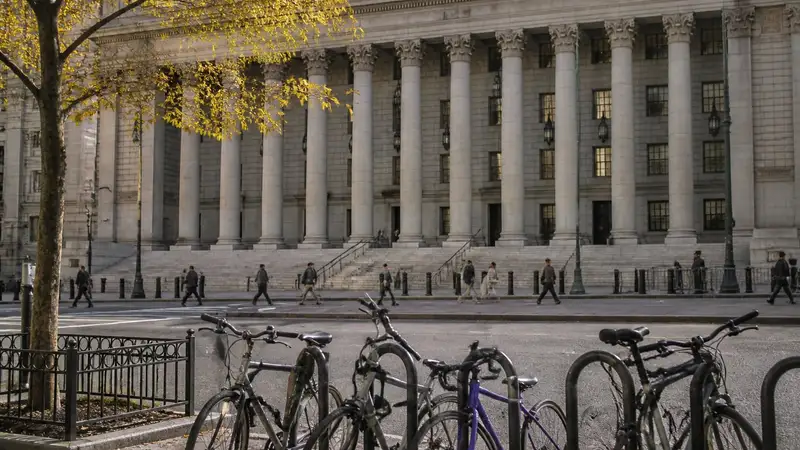
Kalshi can continue to operate in New York for now. On November 23, Justice Melissa Crane of the New York County Supreme Court rejected Attorney General Letitia James's request for a temporary restraining order during a virtual hearing, The Gamblest reported. Crane did not decide whether the company is breaking state gambling rules, so the underlying case will proceed.
The legal fight started in October 2025, when the New York State Gaming Commission sent Kalshi a cease-and-desist order. The state then sued to stop the platform from selling contracts tied to sports, culture, elections and other events until it obtains a gambling license.
You're really seeking the ultimate relief in the case upfront without me even hearing from the defense. It doesn't preserve the status quo because the status quo has been going on for over a year.
Kalshi's headquarters are in New York, and the state's request targeted illegal gambling "in New York or elsewhere," according to the report. The company warned that such an order would create confusion for its platform, which is regulated by the Commodity Futures Trading Commission. Its attorney Grant Mainland said any restriction would be a "recipe for chaos" for users.
Age and tax concerns
State officials argue that Kalshi avoids gambling taxes that licensed operators pay. New York charges a 51% tax on mobile sportsbook revenue, while Kalshi says it has 1.5 million users. Crane also flagged that Kalshi lets people open accounts at 18, while state-licensed sportsbooks require customers to be at least 21. She asked whether sports- and culture-related contracts would be available to users under 21.
Next steps
Under the proposed schedule, papers opposing the motion are due December 4 and supporting papers December 11. Crane suggested in-person hearings on January 7 or 8. A ruling on under-21 access could settle part of New York's immediate concerns, but the main licensing dispute remains. The state insists Kalshi needs a gambling license; Kalshi argues that federal CFTC oversight is sufficient.
A ruling against Kalshi in New York could shape prediction market regulation across the country, especially because New York is the largest market for online sports betting in the US.