Next story
Kalshi pauses Utah operations after New Mexico tribes win injunction
A federal judge granted a preliminary injunction requiring Kalshi to block sports event contracts on four tribal lands, while New York introduced a bill to tax prediction markets.
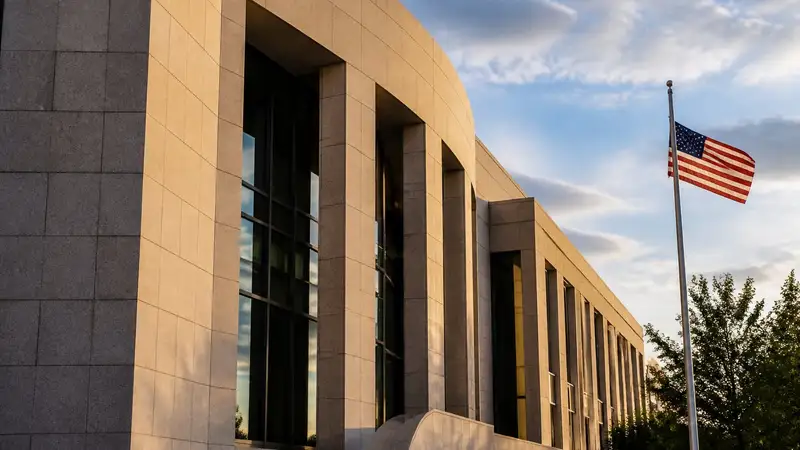
Kalshi paused its operations in Utah on Monday as the prediction market operator faced legal defeats in New Mexico and legislative pressure in New York, Gambling Insider reported.
More than 177,000 users in Utah can no longer open new positions, though they can close existing ones and withdraw funds. Kalshi and its co-founders face criminal charges and a civil lawsuit in the state. A federal judge granted Utah summary judgment in August, and the Tenth Circuit denied emergency relief. The CFTC sued Utah, seeking to stop the state from enforcing gambling laws against prediction markets.
"I think regulation of gambling sits squarely within the police powers of the state."
At a hearing on Friday, Shelby signaled skepticism toward the CFTC's arguments, saying the agency may have 'a steep hill to climb,' according to a Fox 13 report. Kalshi has said it intends to return to Utah if its legal challenges succeed.
Tribes win in New Mexico
A federal judge in New Mexico denied Kalshi's motion to dismiss and granted a preliminary injunction to the Mescalero Apache Tribe and the Pueblos of Isleta, Pojoaque, and Sandia. Kalshi has 14 days to block access to sports event contracts on tribal lands through geofencing or another mechanism; existing contracts are unaffected.
U.S. District Judge Margaret Strickland ruled the Indian Gaming Regulatory Act allows tribes to pursue injunctions against third-party operators. She rejected Kalshi's argument that its operations occur outside tribal lands, concluding online wagering takes place where the customer is located. Two California tribes won a similar injunction earlier this month.
New York bill, CFTC rules, and state actions
A New York judge denied the state's request for a temporary restraining order against Kalshi on Monday. State Sen. Jeremy Cooney introduced S10748 the same day, proposing a 10% tax on net trading fee revenue from New York residents, with proceeds funding universal pre-K. The bill would ban officials from using prediction markets and require age verification and addiction safeguards. It also recognizes the CFTC's exclusive regulatory authority over federally registered prediction markets.
The CFTC finalized new event contract reporting rules on Monday. Detailed large-trader reporting will generally apply to traders holding positions worth at least $125,000 or trading at least 125,000 contracts in a day. Exchanges must collect additional customer-identifying information within 12 months to help detect insider trading and market manipulation.
Illinois Gov. JB Pritzker called on Congress to prohibit nationwide prediction markets on sports, elections, and other events and to affirm state authority. Sen. Adam Schiff accused CFTC Chairman Michael Selig of breaking commitments, saying he is 'a pawn of the industry he claims to regulate.' Selig has said the commission is prepared to take its legal battle with states to the Supreme Court.
The Wyoming Legislature's Management Council voted to sponsor draft legislation that would expand the definition of professional gambling to include online casino and sweepstakes games; it will be considered in the 2027 session. Wyoming Gaming Commission Executive Director Nick Larramendy said sweepstakes account for 80% of complaints to his office.
DraftKings and MGM Resorts are exploring entry into the trading card breaking and repackaging business, according to hobby expert Boston Card Hunter on X. Fanatics, Underdog and PrizePicks already offer digital card rips, while FanDuel is testing a product.