Next story
Missouri settles gambling machine investigations with Torch for $13.5 million
The agreement permits machines at qualifying nonprofit organizations and protects Torch and associated parties from state prosecution if they comply.
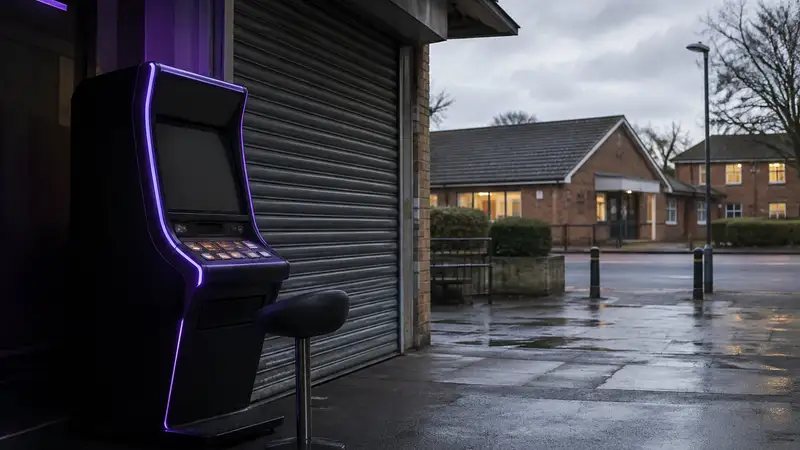
Missouri Attorney General Catherine Hanaway reached a $13.5 million settlement with Torch Electronics that requires the company to keep its gambling machines out of service at commercial establishments while allowing them at qualifying nonprofits. The agreement was announced November 16.
Torch will pay $4.5 million this week, followed by two annual payments of the same amount, GamblingNews.com reported. The company could face another $6.5 million in penalties if it breaches the agreement.
The settlement resolves pending civil and criminal investigations into Torch. It protects the company, owner Steven Miltenberger, employees, vendors and other associated parties from state prosecution as long as they comply. Torch did not admit liability or violations of Missouri gambling laws.
The restrictions cover convenience stores, bars and other commercial establishments. Machines can remain at qualifying veterans’ organizations, fraternal associations and similar nonprofits, and Torch may add qualifying nonprofit locations until January 1, 2027.
Hanaway said her office concentrated on commercial operations because they generated private profits, while nonprofits tended to use proceeds for community initiatives and members. She said companies cannot avoid the restrictions by creating nonprofit subsidiaries or changing their corporate form.
The payments will go to Missouri’s Gaming Proceeds for Education Fund, which provides grants to eligible school districts through the Classroom Trust Fund. The settlement is less than the state initially sought based on 21% of Torch’s gambling revenues, although Hanaway did not disclose the original amount.
Torch suspended its machines in retail businesses in April amid pressure from the attorney general and the threat of criminal proceedings. In February, a federal judge found that chance was involved in the machines and that they were gambling devices under Missouri law.
The machines could return to businesses if Missouri lawmakers legalize video lottery terminals or a final court ruling upheld on appeal finds that Torch’s games do not violate state law.