Next story
Latvian court upholds Riga’s gambling venue restrictions
The ruling keeps in place bans around schools, transport hubs and residential areas, with four- and five-star hotels exempt.
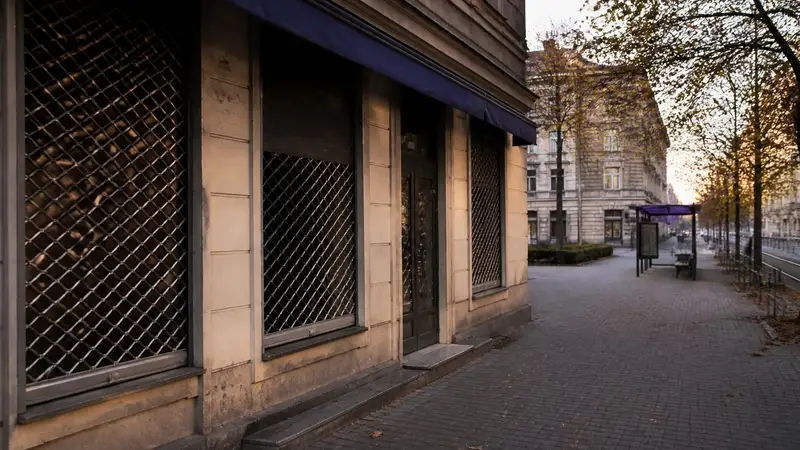
Latvia’s Constitutional Court ruled on 26 November that Riga may keep its restrictions on where in-person gambling venues can operate, finding that the public interest in limiting access to gambling outweighs the effects on businesses. The judgment in case No. 2025-32-03 upholds Riga City Council’s 2025 regulation.
iGaming Business reported that three companies challenged the regulation in August 2025, and by the time the court announced a hearing in October 2026 four operators were listed as applicants. GamblingNews identified the original challengers as Alfor, Klondaika and Olympic Casino Latvia.
The rules ban venues on municipal property and in neighbourhood centres, on school sites and within 300 metres of school buildings and grounds. They also cover a 500-metre zone around railway stations, bus stations, airports and passenger ports, a 300-metre zone around other public transport stops, and certain land-use zones, cultural monuments and protected urban areas. Residential buildings are included, while four- and five-star hotels are exempt.
The operators argued the practical effect would be a citywide ban and that the measures interfered with their property rights and commercial activity, and failed to respect expectations created by permits issued under earlier rules. The court rejected that argument, saying the council had examined the characteristics of each location and explained why gambling should not be organised there. Operators can still run venues in other parts of Riga, subject to the applicable requirements.
Why the court sided with the city
Judges considered the risks of gambling addiction, noting that effects can reach relatives and the wider community, and stressed the need to protect children and young people. The court said treatment, social support and public education are important but cannot replace restrictions that reduce exposure before harm occurs. Making venues less visible would not cut their number or limit access as directly as prohibiting them in specified areas.
The court acknowledged the restrictions could affect operators, employment, tax revenue and the wider economy, but concluded they served a broader public benefit. Existing permits end five years after the relevant Riga City Council decision to cancel them takes effect, which the court said gave operators enough time to adapt.
Tax changes add pressure
Earlier this year, Latvia increased taxes on interactive gambling and telephone-based betting revenue. The interactive gambling rate rose from 12% to 15% of gross gaming revenue, and the telephone-based betting rate rose from 15% to 18%. The Ministry of Finance estimated the increases would raise €9.2 million, with €175,000 going to municipalities and the rest to the state budget.